
Will Used Electric Vehicles Become a New "Necessity" as Oil Prices Rise?
A new, alarming yet exciting change is emerging in the Middle Eastern car market: more and more consumers are beginning to see used electric vehicles as a practical way to hedge against oil price fluctuations...
Global consumer preferences are undergoing a "sudden shift"—constant oil price shocks, uncertainty in the traditional fuel supply chain, and the reality of squeezed household budgets under inflationary pressures. Now, used electric vehicles are more like a carefully calculated "economic deal."
Why are used electric vehicles the first to become popular?
Firstly, new cars are too expensive; secondly, there are concerns about battery life. Now, with mature battery technology and more transparent vehicle usage data, used car buyers' anxiety about "how long the battery will last" is decreasing, and used electric vehicles are beginning to move from a "niche trend" to a "mainstream consideration."
The Middle East may not be the fastest-electrifying market, but once consumers start calculating monthly fuel costs and annual maintenance fees, the penetration of used electric vehicles will often be faster than that of new cars—because it solves the "affordability" problem.
It's not just about saving on fuel; maintenance costs are the real "hidden cost."
Electric vehicles have fewer moving parts, resulting in up to 40% lower regular maintenance costs compared to gasoline vehicles. This is particularly relevant in the Middle East: many areas have high mileage and heavy driving intensity, so what truly overwhelms a family's budget isn't the initial purchase price, but rather the ongoing expenses (fuel, maintenance, repairs, and wear parts).
Meanwhile, with the expansion of fast-charging networks in major cities, "range anxiety" is also decreasing. Buying a used electric vehicle is a "smart investment": it aligns with technological trends and helps protect family expenses from being dictated by fuel prices amidst the dramatic energy price fluctuations caused by geopolitical factors.
Regionally: The Middle East is Increasing Imports of Used Electric Vehicles from Europe and the US
At the regional market level, imports of used electric vehicles are heating up, with the current increase primarily coming from Europe and the US, benefiting to some extent from tariff facilitation and tax incentives driven by emissions reduction policies.
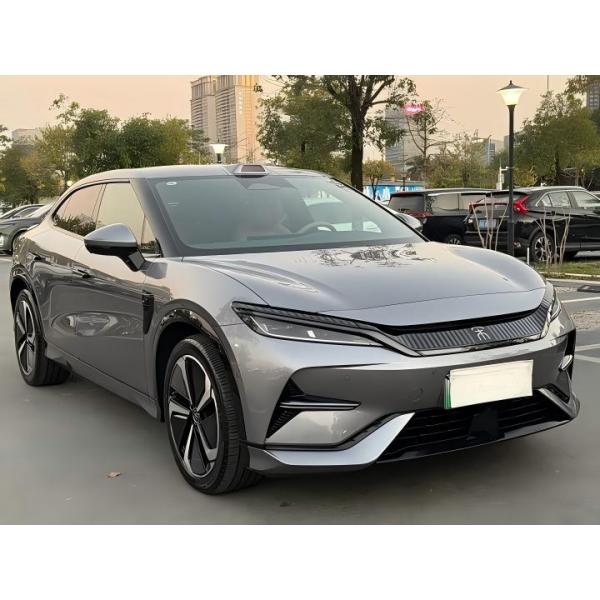
BYD Song L EV 2025 Smart Driving Edition, 662km, LiDAR Premium Model, 98% new, no accidents. Transparent condition, original paint.
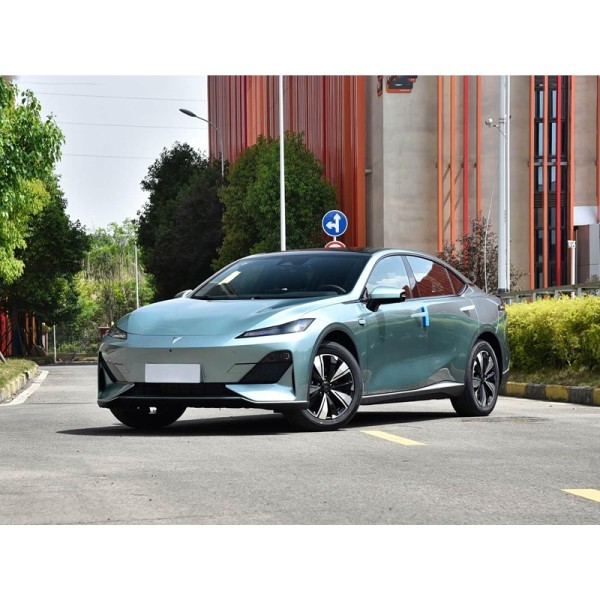
The 2025 DEEPAL SL03 Pure Electric version comes standard with 3C Supercharging technology, with official testing showing a 30% to 80% charge time of just 15 minutes.
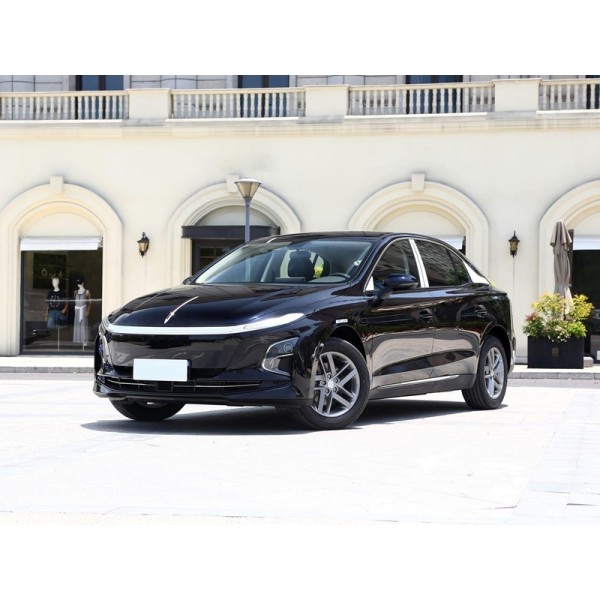
The Hongqi E-QM5 electric car is mainly aimed at the online car-hailing market, and is also suitable for home use and online car-hailing.
This presents a contrasting signal for China's used car export industry:
Middle Eastern demand is gaining momentum, but the vehicle source structure remains heavily reliant on Europe and the US.
The reasons are simple: used electric vehicles from Europe and the US have higher brand recognition locally, are easier to adapt to standard interfaces, and have more mature early import channels. However, in terms of supply capacity, China is one of the countries with the strongest global stock and industrial chain of new energy vehicles. If the demand for used electric vehicles in the Middle East truly enters a growth phase, Chinese vehicles theoretically have a greater price and supply advantage.
For Chinese used car exporters, this trend may not sweep across the entire Middle East overnight, but it has already set the direction: when oil price fluctuations become the norm, used electric vehicles may transform from a marginal product into a "new necessity" in the Middle Eastern market.
If you have a need to purchase used electric vehicles, please contact us directly for high-quality electric used vehicles.